What does MYAD really do? Laia’s reflections on the UN CSocD and Tax Convention
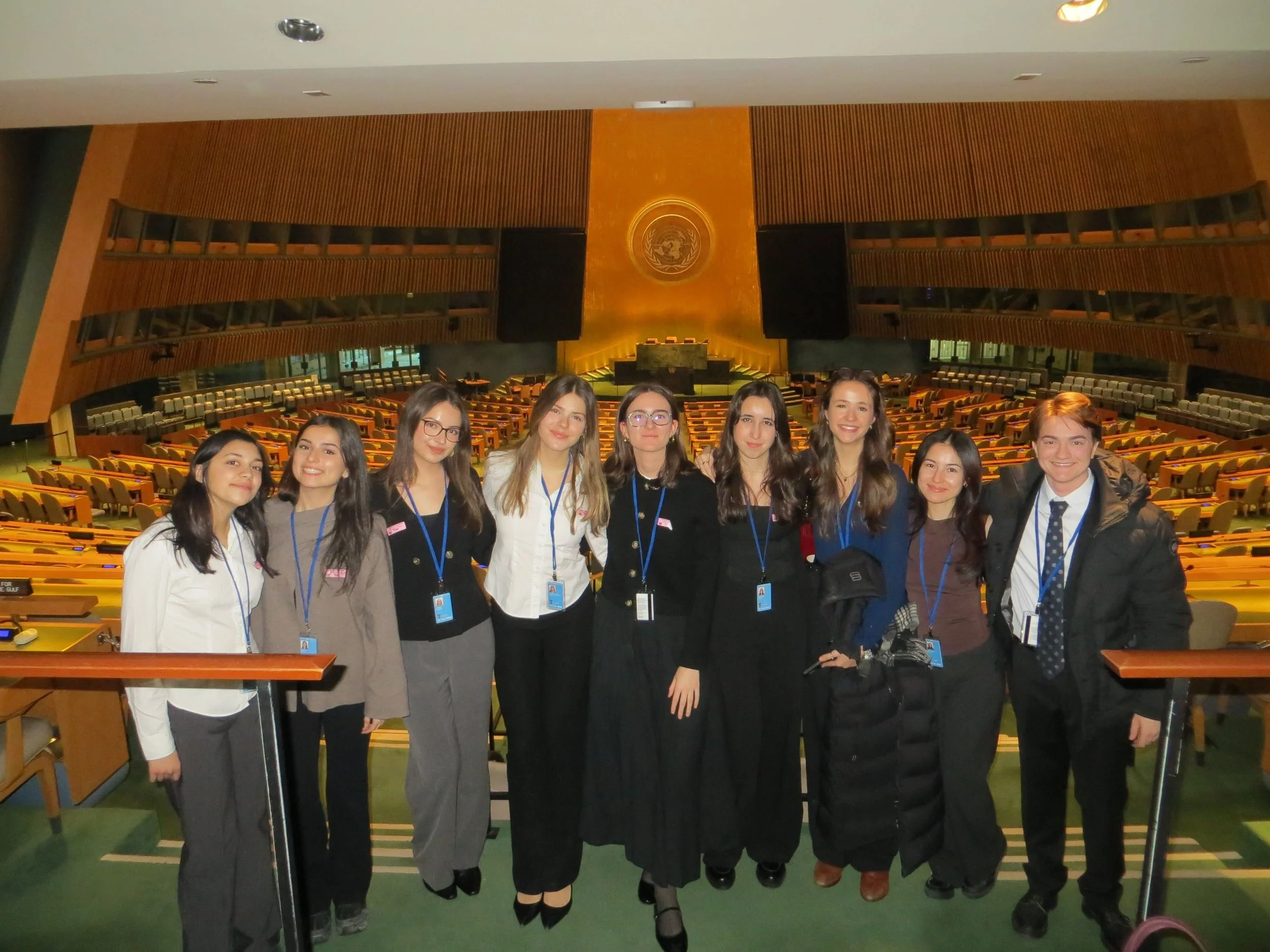
Last February, ten MYAD delegates attended the 64th Session of the Commission for Social Development and the United Nations Tax Convention -- an exciting milestone for our delegation. We arrived at the UN Headquarters with one clear mission: pushing for progressive, youth-inclusive policies at the UN.
My name is Laia Charles Saigne, and because people are often confused about what MYAD actually does, I decided to write this blog post to make our work more accessible and transparent. This year, I serve as Ad-Hoc Officer, leading two ad-hoc teams focused on international taxation and agrifood systems, while also participating as a CSocD delegate. Last year, I was part of the negotiations team where I contributed to various submissions oriented in UN negotiations.
Context :
For context, the Commission for Social Development is a week-long event organized by the United Nations ECOSOC to provide recommendations to the United Nations on social policy, promoting social integration, eradicating poverty, and ensuring full employment. It acts as the key UN body monitoring the 1995 Copenhagen Declaration on Social Development. Meanwhile, the UN Tax Convention (or the Intergovernmental Negotiations for UN Framework Convention on International Tax Cooperation if we want to be more correct) aims to establish, by 2027, a comprehensive framework to strengthen international tax cooperation and curb harmful tax practices such as tax evasion and the use of tax havens. This February, the 4th session of the negotiations took place, reuniting negotiators from countries all over the world (although some countries were absent due to new border restrictions) and members of the civil society. This is really a historical convention that could reshape the global tax architecture and meaningfully expand states’ fiscal capacity, equipping governments worldwide with the resources needed to advance sustainable development and social justice.
Pre-commission work :
As a part of the CsocD team, I worked with two other delegates to write two policies to present to the permanent mission of the member states that we met. One of them was about the rights of indigenous people and how upholding them goes hand in hand with environmental protection, and the other one was about the importance of fair international taxation for sustainable development (you can see there’s a repeating theme there…). As for the UN Tax Convention, most of the pre-commission work was working on submissions for the UN Tax Convention committee, getting in touch with different government stakeholders and most importantly, attending meetings with the Global Alliance for Tax Justice and the Tax and Gender working group to get informed and contribute meaningfully to NGO efforts. All of our policies and submissions are regrouped in our Youth Policy Report that you can find on our website.
On the ground :
Our engagements in both events were very different and, in some ways, complementary. Our activities at the Commission for Social Development were more focused on influencing the stances of the Permanent Missions of the countries we met -- spanning from Belarus to Belgium – by presenting them our policies and seeing how they could be pushed in a UN context. The UN Tax Convention was more focused on attending sessions and making interventions on the floor, since NGOs have their say in every session.
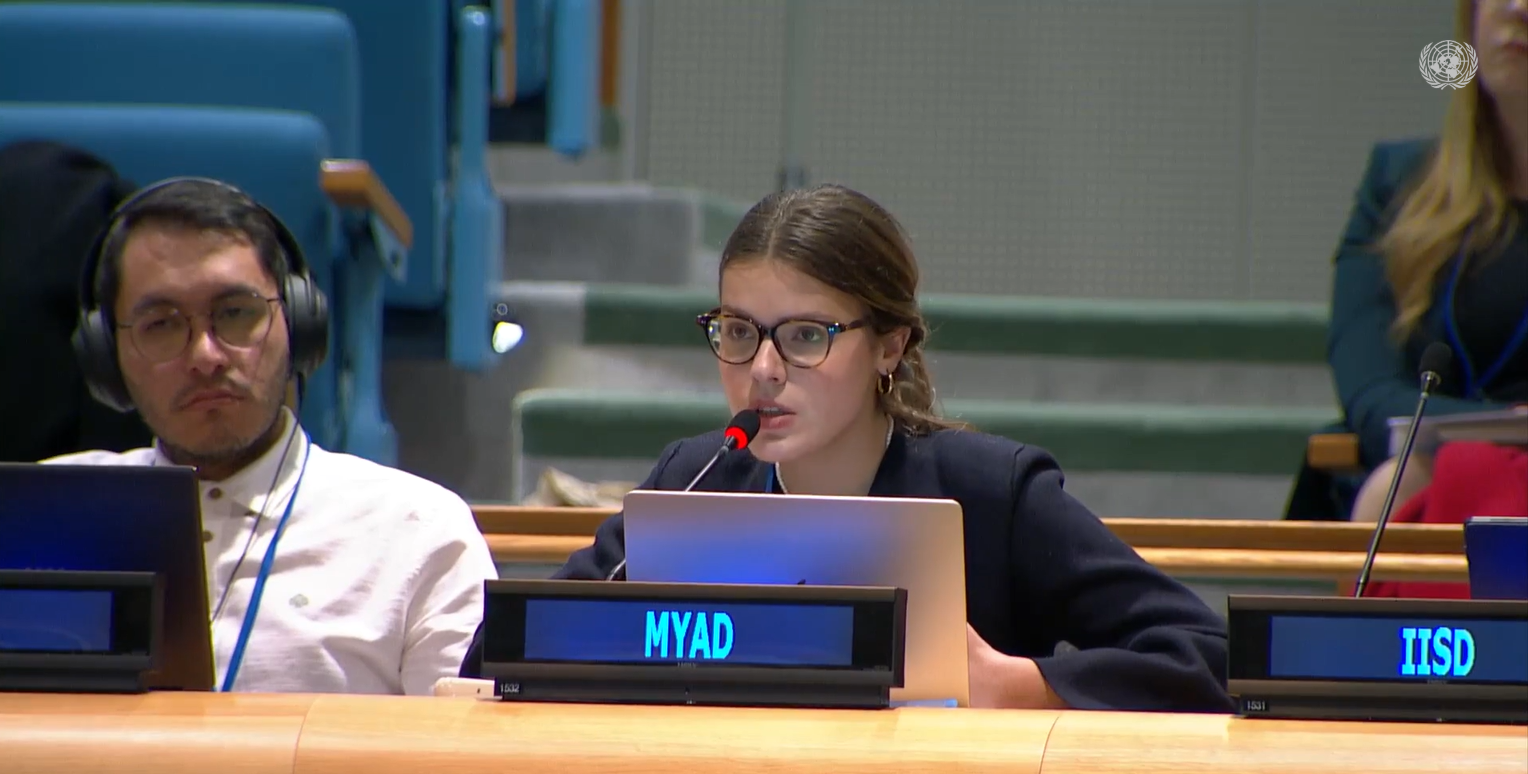
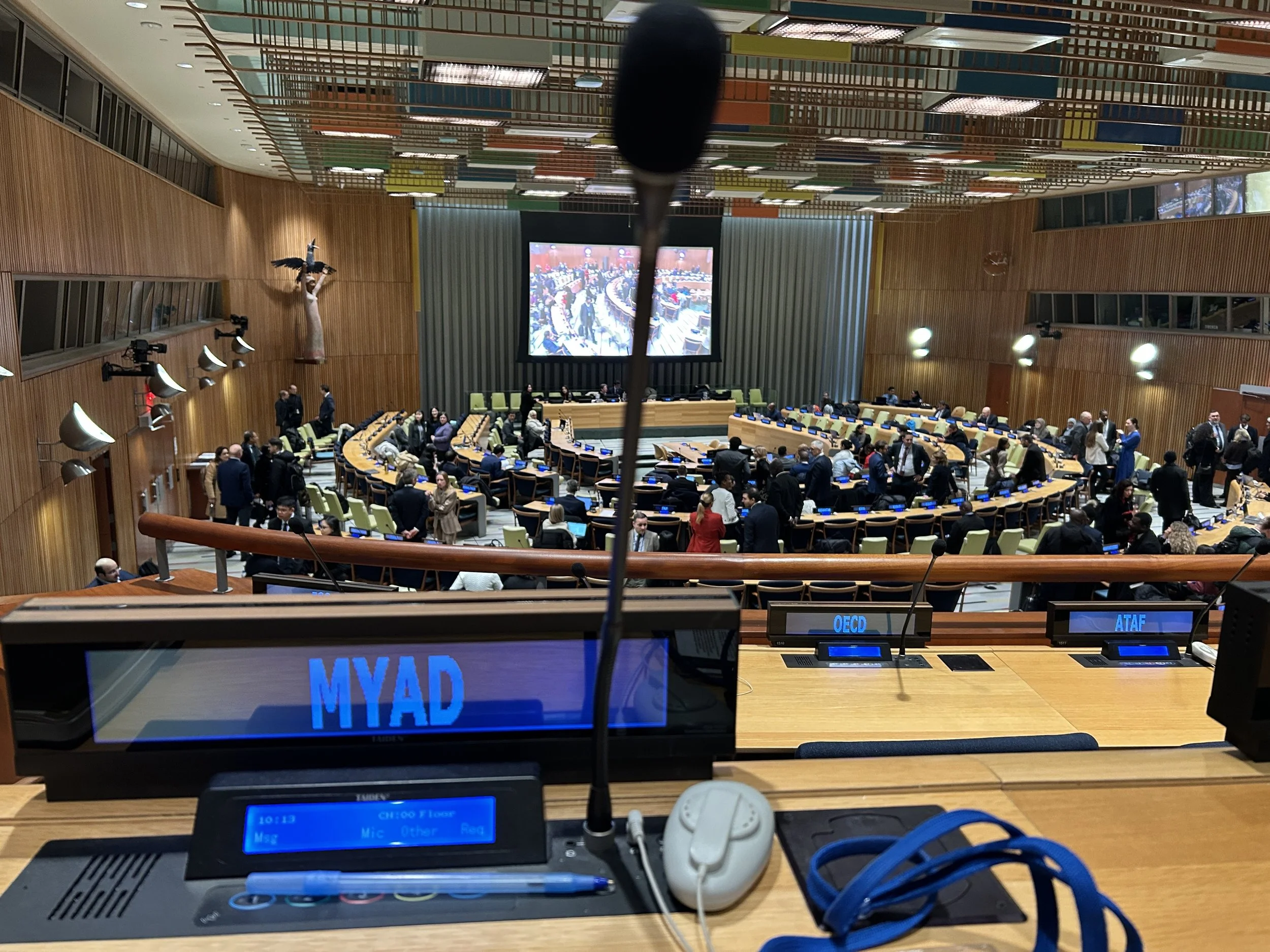
As the MYAD representative at the UN Tax Convention, I was first intimidated by the UN setting, and I didn't dare to take the floor. I knew that speaking up was important, but I felt like I wasn't ready enough, or that what I had to say was not relevant enough. But then I remembered the very reason why we were there, and I collaborated with other members of the club (shoutout Rio, Lawrence and Joshua) to write an intervention, highlighting the real-world stakes contained in this UN Tax Convention -- such as funding for social welfare -- which I delivered on Thursday. This made me much more confident to take the floor on Friday, as I learned from my mistakes and managed to make my intervention more intentional.
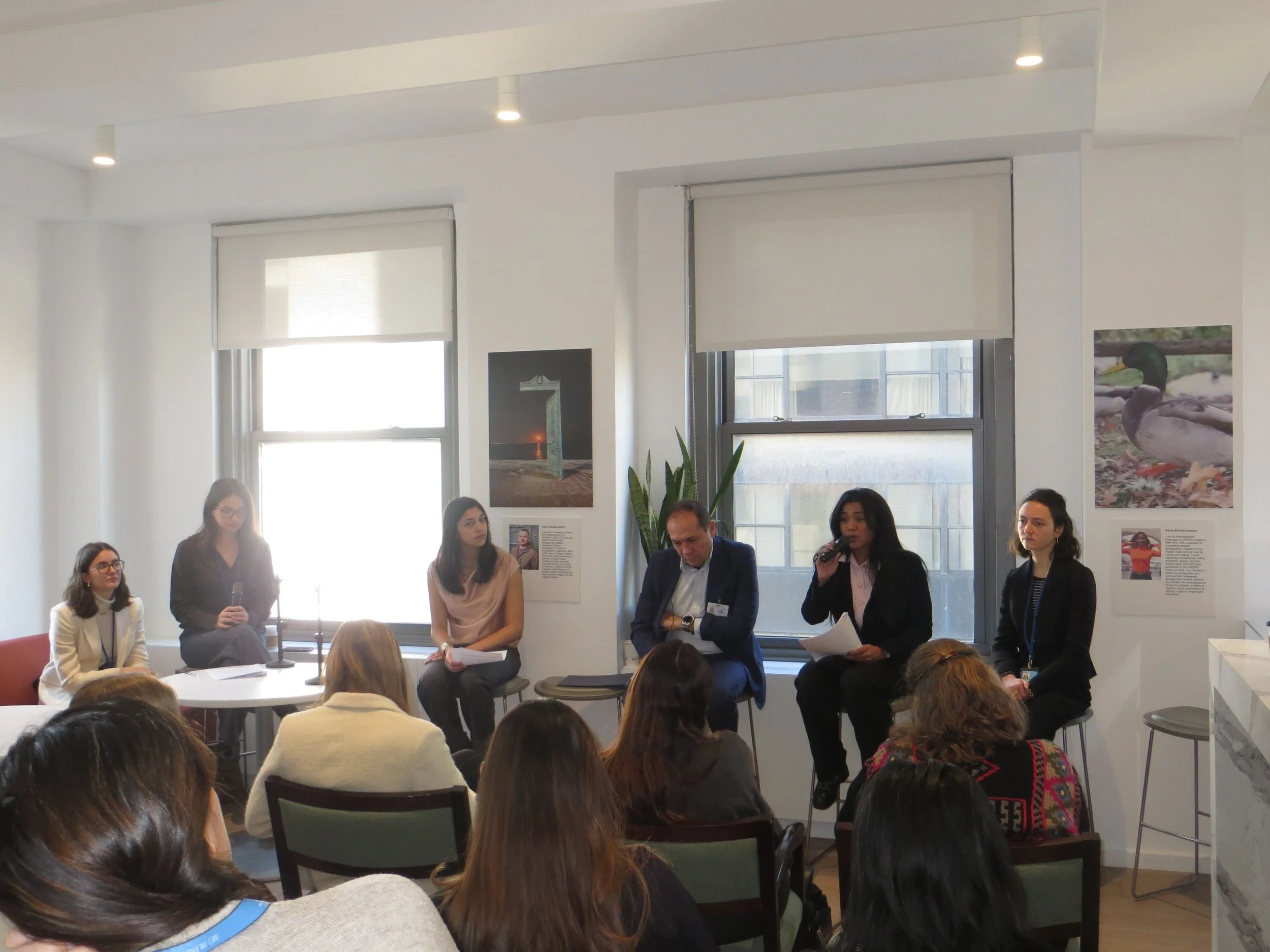
One of the highlights of the week was hosting our side event in UN grounds, where one of our delegates, Kim, panelled, and Audréanne moderated. The Ministry of Labour of Colombia also participated, which made the event even more insightful.
Conclusion :
Overall, this week reinforced my conviction that civil society participation is essential to advance human rights on the international stage. We also realized that we are still learning, and we brought home a ton of ideas to build on and new opportunities to make our future engagements even more meaningful and profound – particularly as we look toward deeper involvement in the negotiation stage. If you want to hear more about the ideas that we pushed forward, check out our CSocD statement, our Youth Policy Report and well as our oral interventions on the MYAD website!