One Badge, Infinite Doors: What Being a Young Person Looks Like at the United Nations
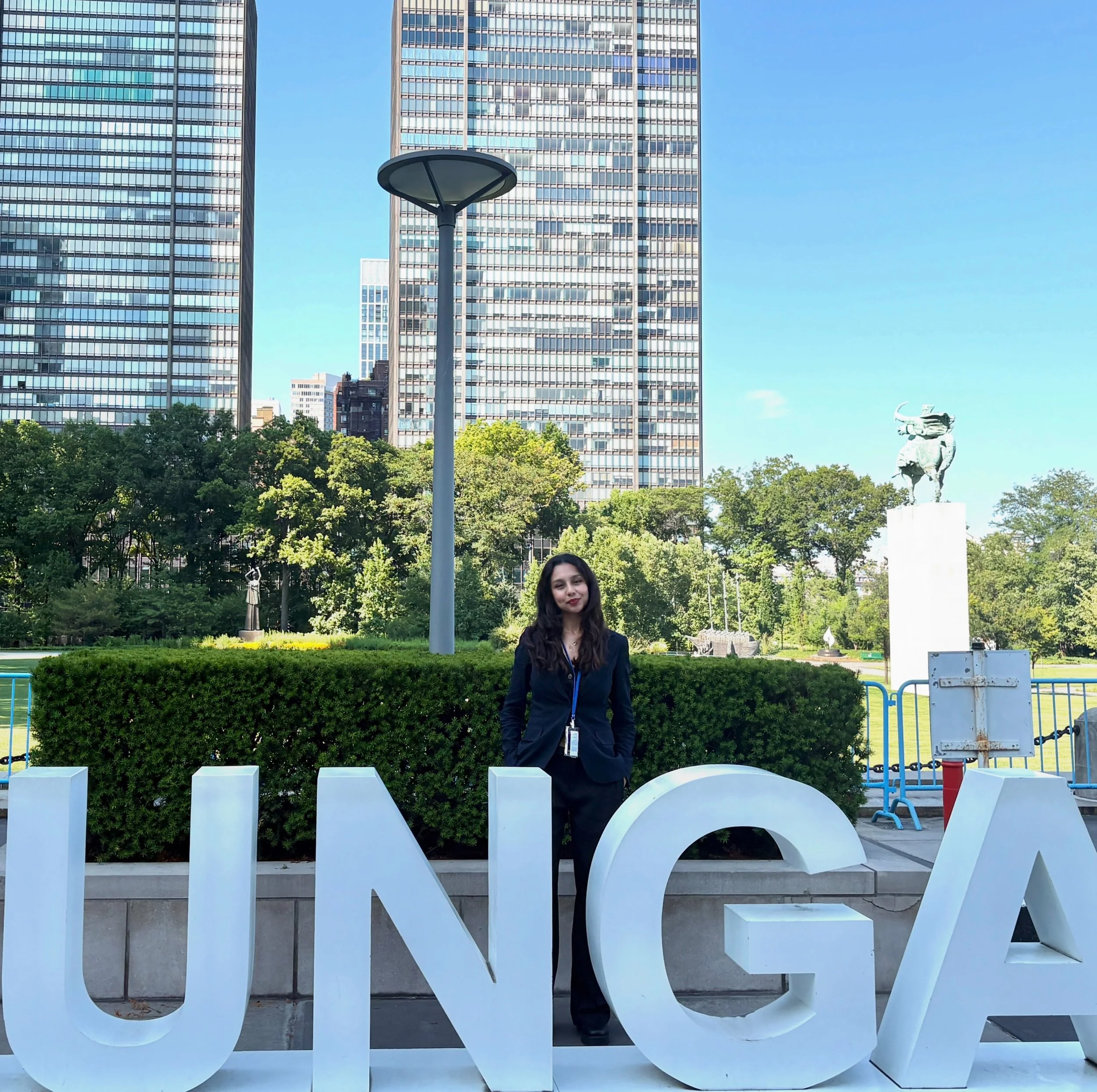
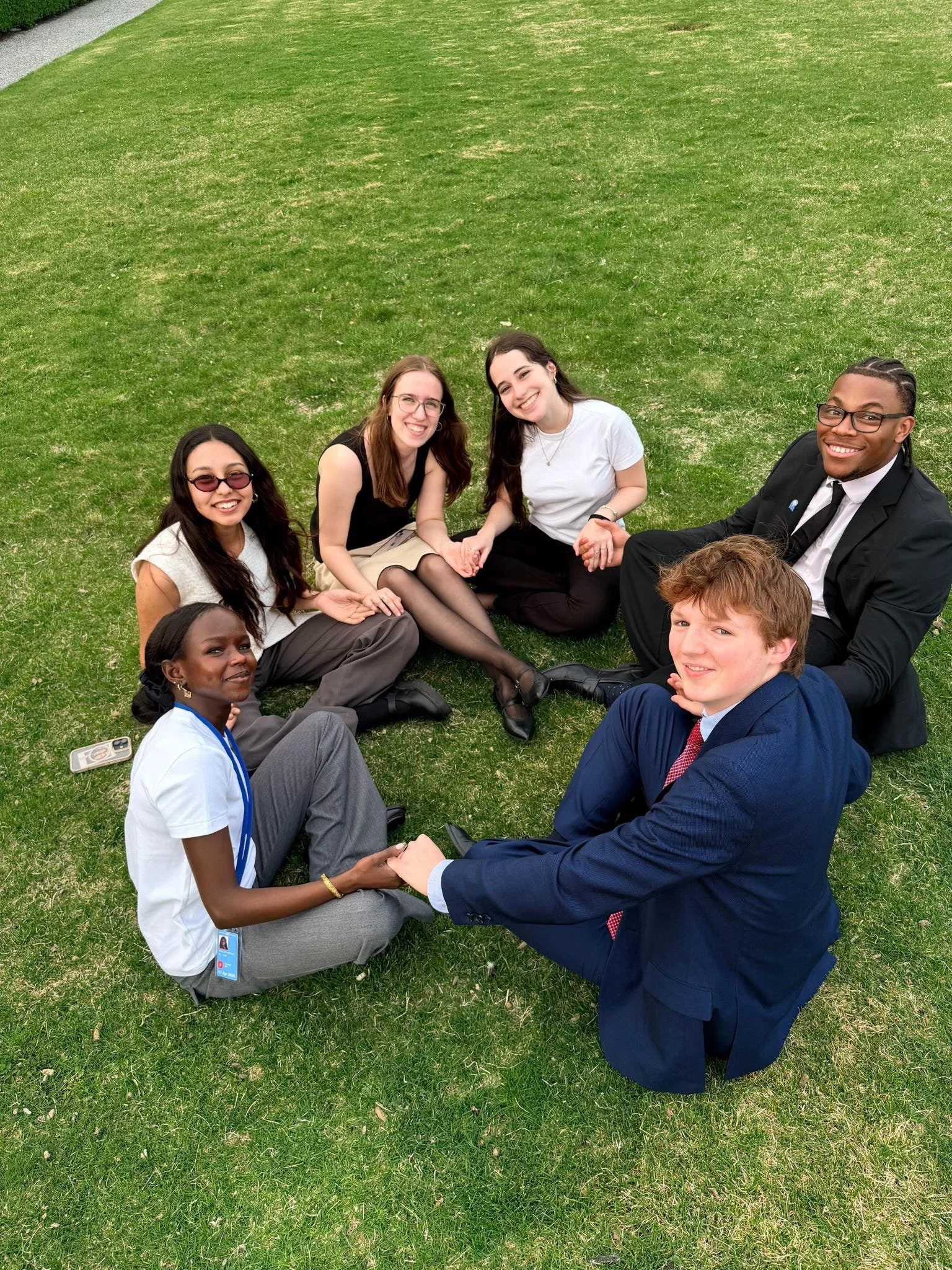
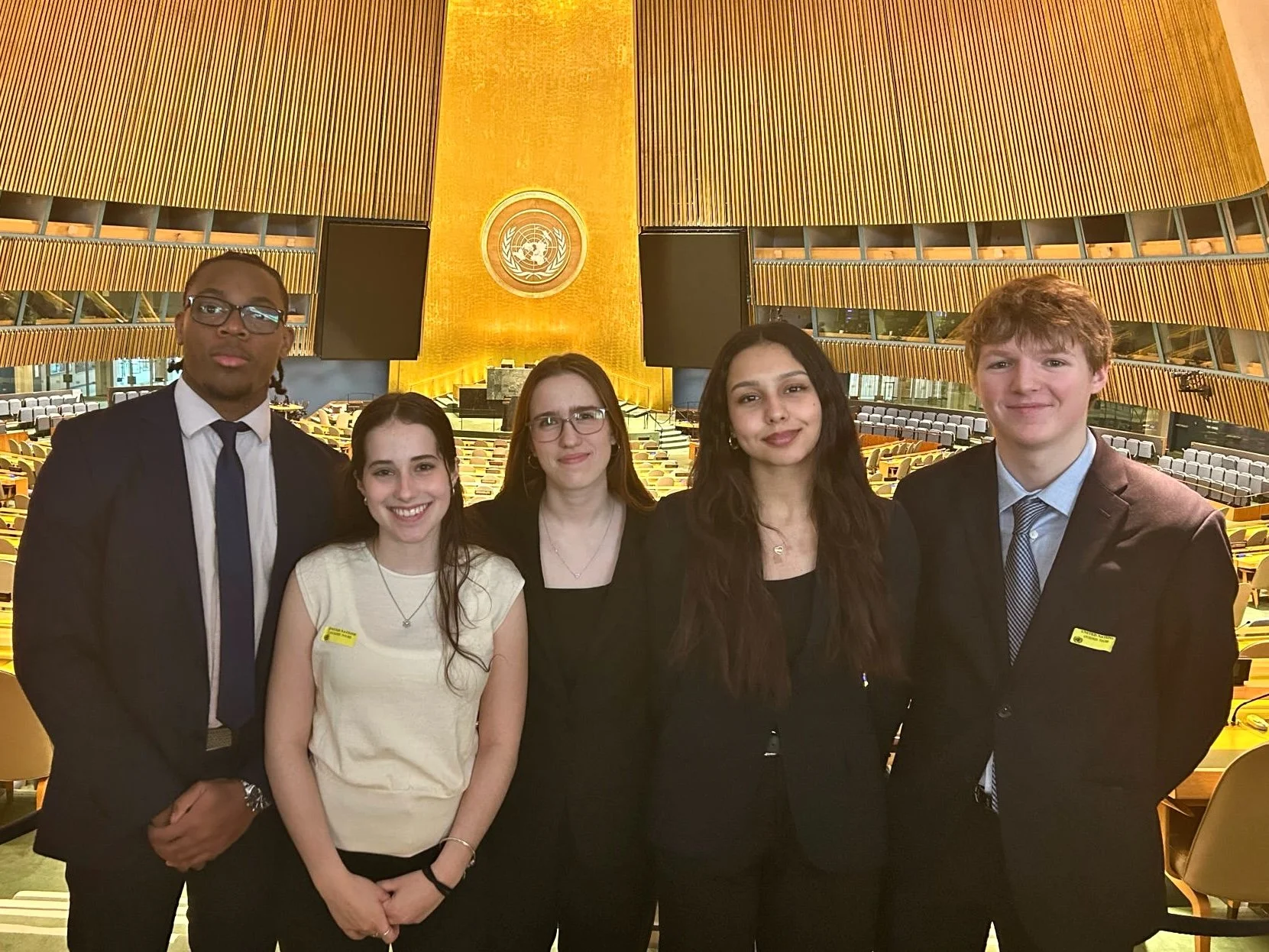
In April 2026, amidst the height of final exam season, 5 delegates of the McGill Youth Advisory Delegation hopped on a train to New York to participate in the 59th Session of the Commission on Population and Development. I had the chance to be one of them. Welcome to my blog, where I will share a transparent perspective of my experience!
Before even arriving in the Big Apple, my fellow CPD delegates and I worked on writing policies that target and propose to solve current issues in healthcare, climate and equitable global progress. In our minds, these policies were going to be at the center of our discussions with Permanent Missions, Youth Delegates and other NGOs. But, when we set foot at the UN Headquarters, we were surprised to find out that diplomacy is done differently.
The first part of this blog delves into what I call “Informal Diplomacy”. Inside the UN, close to conference rooms, there is a popular eating place called “Vienna Cafe”. There, you can find ready-to-eat meals and cafeteria-style seating. Between plenary sessions, we would often find Permanent Mission representatives sitting there, exchanging with other representatives. This is where actual discussions happen, those that later translate into multilateral documentation or national policies. My team and I even had a meeting with the Permanent Mission of Romania there, which goes to show how diplomacy happens in casual spaces.
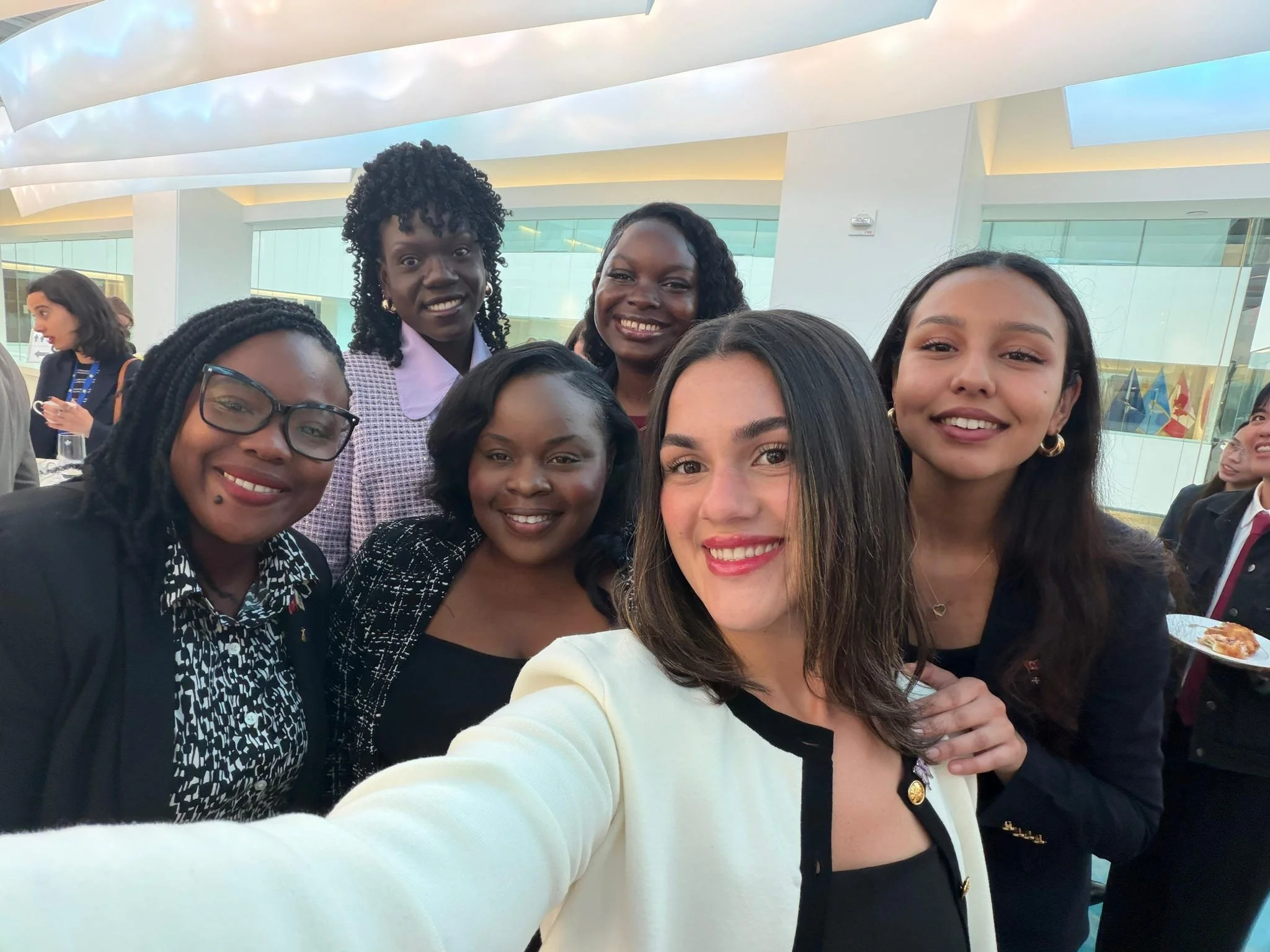
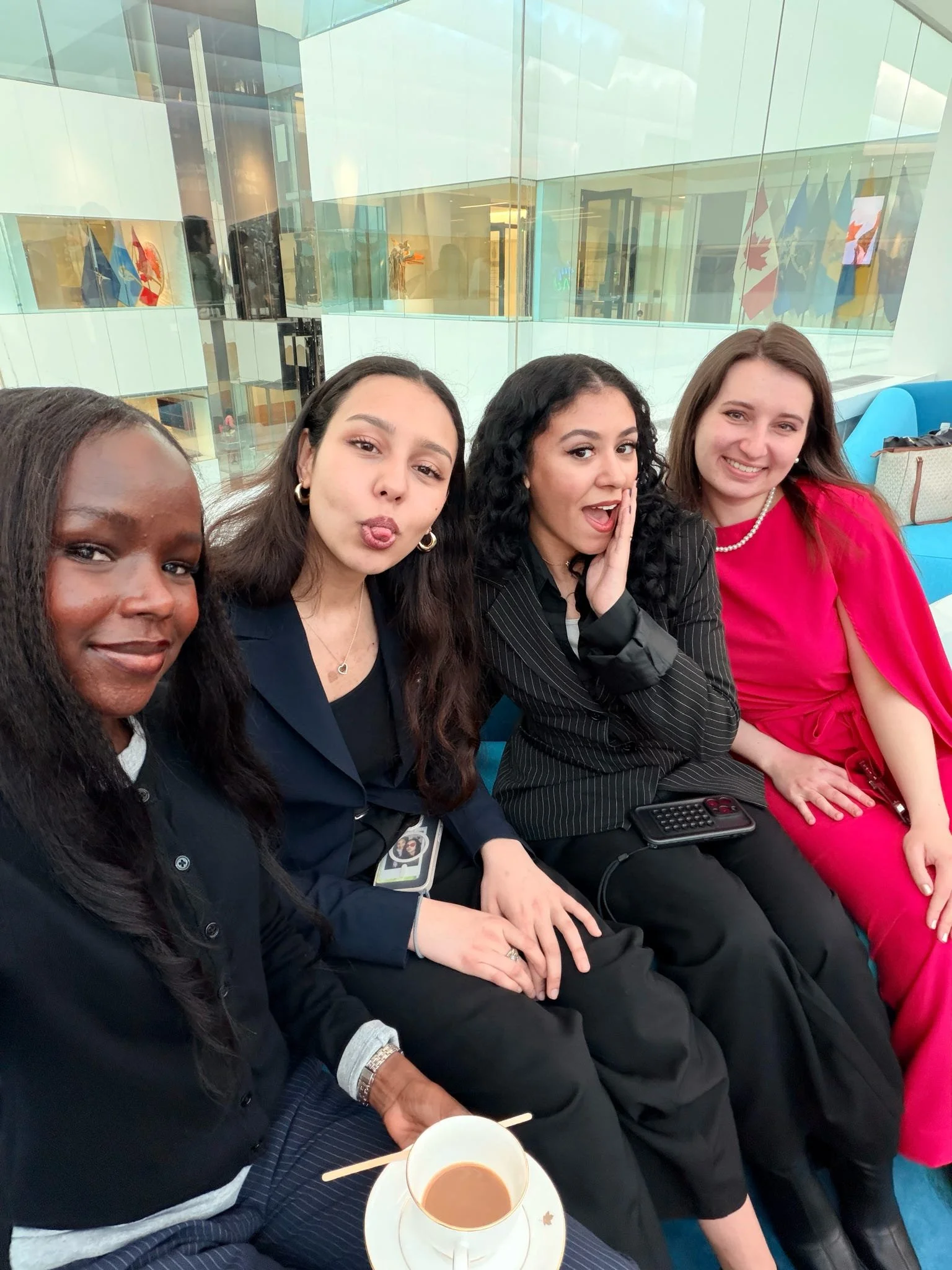
To continue, the 59th CPD coincided with the ECOSOC Youth Forum, so we were pleased to be surrounded by other youth during the week. A highlight of my experience was taking part in the youth breakfast hosted by the Permanent Mission of Canada, where I met people that I now call friends – and with whom I had the chance to explore the city of New York! Inside of the UN Headquarters, connections form in the least expected way. A memorable moment was when I was seated behind the delegate of Timor-Leste, who noticed and complimented my drawing. We ended up having a brief exchange, and he kindly shared his contact information for future collaboration. It was just one of many instances that week where connections formed naturally—whether through a quick conversation while waiting in line for food or simply offering to take someone’s picture.
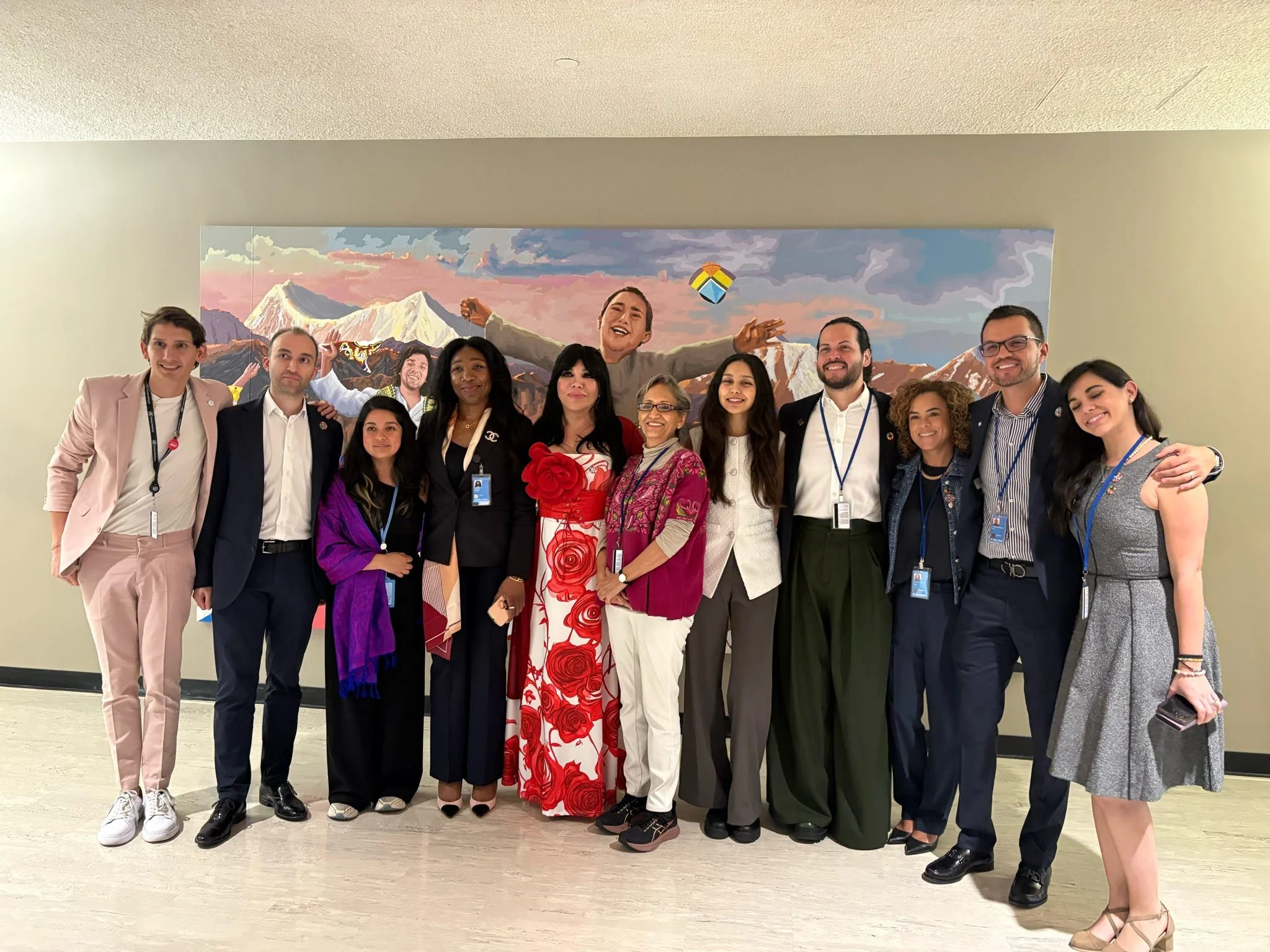
Lastly, it was interesting to see the gap between what happens everyday locally, and how it is framed and discussed at the UN, the highest global platform for dialogue. Plenary sessions often talk about data, language and policy; thus it was refreshing to attend side-events that shared raw lived experiences. The most notable was the side-event I was lucky to panel for: “Inclusive Data for Culturally Diverse Gender Identities: Lessons from Mexico’s Muxes”. There, Karla Wong, a lawyer and artist, spoke about the challenges she faced growing up and left us with this powerful message: your past does not determine your future, you always have potential to succeed. Her intervention was a strong reminder of what the world looks like outside of policy rooms.
In the end, CPD59 came to a close without an outcome document, as Member States could not find common ground, particularly on language around sexual and reproductive health and rights. This is a symbol of what the UN really is: a space shaped as much by disagreement as by cooperation. This leaves a question that is hard to ignore: as divisions grow, what needs to change within the system for it to keep moving forward?