If We Can’t Agree on Words
Since its formation, the Commission on the Status of Women (CSW) has always played a leading role in advancing gender-inclusive language; in the drafting of the Universal Declaration of Human Rights, the CSW argues against synonymizing the word “men” for humanity. The CSW also playes a critical role in drafting fundamental international conventions on women’s rights: Convention on the Political Rights of Women, Convention on the Elimination of All Forms of Discrimination against Women, and Convention on Consent to Marriage, Minimum Age for Marriage and Registration of Marriages, amongst a list of conventions. Moreover, each session of the commission develops political declarations on the priority theme of the year. Though these declarations are not legally binding, they set precedents for agreed upon language.
The commission works by consensus, meaning that for a declaration to be passed, all member states must agree to it. By nature of this, political declarations are not particularly progressive since all 45 member states have to agree to all the wording. Once a word is codified in a political declaration, it means that its definition has a universal definition and is essential in ensuring that there is consistency in the legal and diplomatic operations across member states. Though the inclusion, or not, of a word may seem trivial, agreeing upon certain language can have immeasurable impacts on international affairs and how states handle national policy; hence why there isn’t a universally agreed upon definition for “migrant” or “indigenous” and are amongst the most heavily contested topics in multilateral institutions.
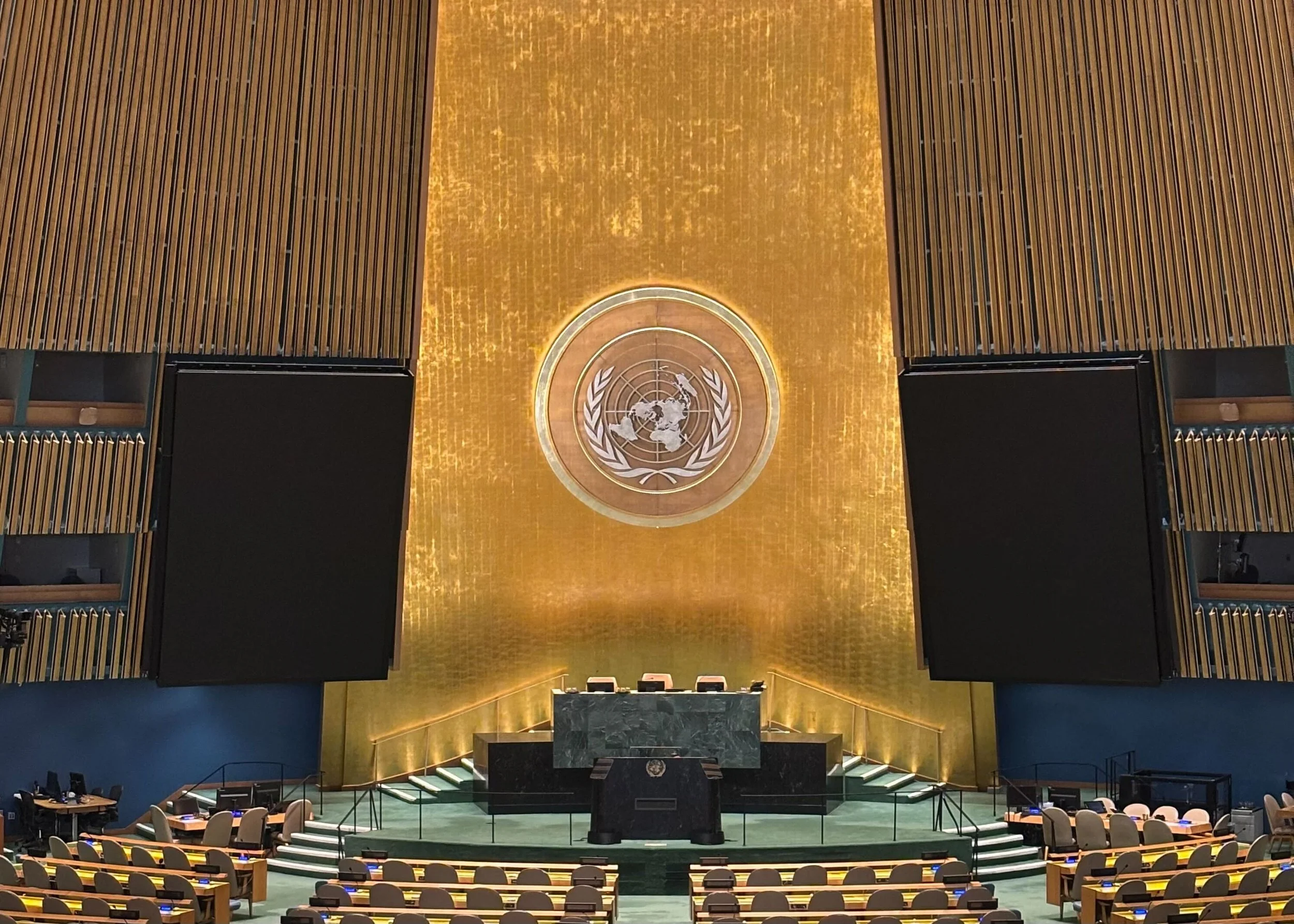
Throughout my involvement at MYAD for the past two years, my main focus has been on negotiations for CSW69 and 70. With the rise of the anti-rights movement and global backsliding of women’s rights, I knew more or less that there would be strong backlash at the commission, though I hadn’t realized just how explicit that would be. For the first time in the history of the commission, the outcome document was adopted via a recorded vote rather than consensus; a strong show of the global backsliding on gender equality. The use of a recorded vote sets a strong precedent for how we set international standards and language set in global frameworks. Coming from Cali, Colombia where over half of pregnancies in 2023 were among teenage girls aged fifteen to nineteen, and having lived in the US when Dobbs v. Jackson Women's Health Organization overturned Roe v. Wade, discord over fundamental key terms is deeply personal to me. If words like “gender equality” and “reproductive health rights" are contested as ideological, how can we even begin to rectify gendered issues?
Having engaged in Canada’s Rapid Response Mechanism, which allows civil society to provide inputs on the outcome document, I’ve seen directly how countries can incorporate perspectives beyond diplomatic alliances to better reflect lived realities. Now more than ever, mechanisms like these are necessary especially in the face of global backsliding. At the same time, I am cognizant that access to these spaces is limited and strongly biased, and that this work represents only a fraction of what is needed to both preserve progress and advance new standards. Ultimately, once we step into the United Nations and the commission has begun, all the decisions have essentially been made. Though Permanent Missions don’t have direct constituents, they represent national priorities which are subject to public opinion and particularly the youth voice. Hence, the most meaningful change begins at the local level: organizing, reading, writing, and advocating.